High Protein Foods: Grams per 100 g and per 100 kcal
The best high protein foods are tuna, chicken breast, Greek yogurt, cottage cheese and lean meat. See grams of protein per 100 g and per 100 kcal for 11 foods.
 Greg, Cal Clark team7 min read
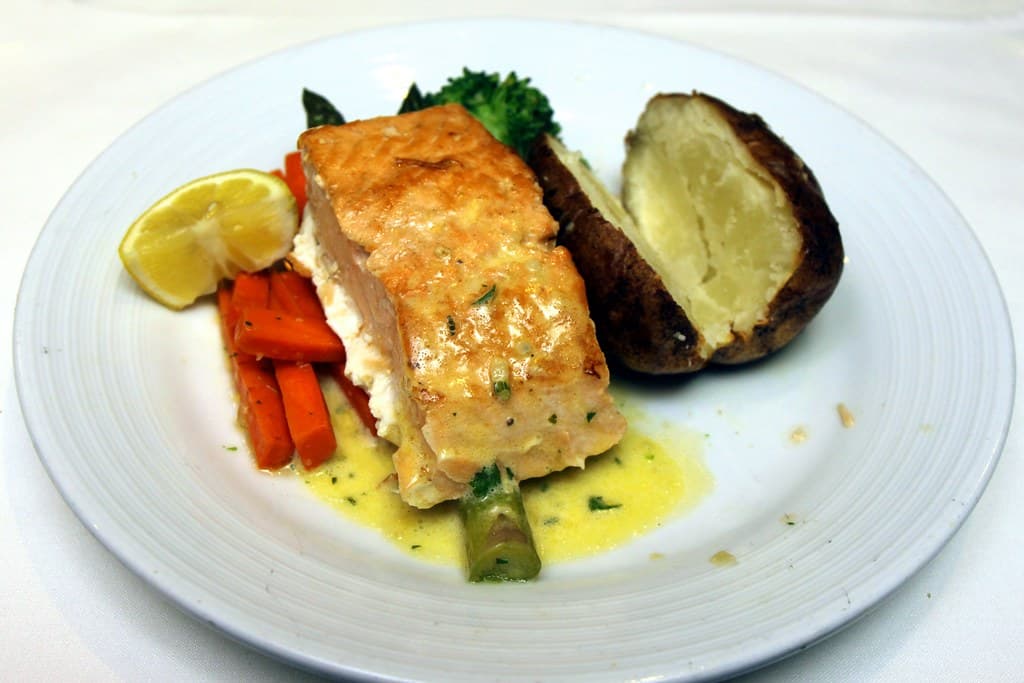
Among common foods, the highest protein ones are canned tuna, chicken breast, lean beef and turkey, salmon, Greek yogurt and cottage cheese, with tofu, tempeh and lentils as plant options. Per 100 g, tuna and cooked lean meat give 25 to 27 g of protein. Per calorie, tuna, chicken breast, Greek yogurt and cottage cheese give the most. This guide lists 11 high protein foods on one basis, so you can compare them and fit them into your daily protein target.
Key takeaways
- Canned tuna, chicken breast, Greek yogurt and cottage cheese give the most protein for the calories.
- Lean meat and fish give the most protein per 100 g, but more calories per gram of protein.
- Tofu, tempeh and lentils are the plant options. Lentils give far less protein per calorie than chicken or tuna.
- Check whether a number is for raw or cooked food before you log it.
What are the best high protein foods?
Which foods are best depends on whether you count grams per portion or grams per calorie. The table below uses USDA FoodData Central values per 100 g (SR Legacy entries). The last column is our own calculation: grams of protein divided by kcal, times 100.
| Food (100 g) | Protein (g) | Calories (kcal) | Protein per 100 kcal (g) |
|---|---|---|---|
| Tuna, light, canned in water, drained | 25.5 | 116 | 22.0 |
| Chicken breast, skinless, raw | 22.5 | 120 | 18.8 |
| Greek yogurt, plain, nonfat | 9.5 | 54 | 17.6 |
| Cottage cheese, 1% fat | 12.4 | 72 | 17.2 |
| Beef, 93% lean patty, pan-broiled | 25.6 | 182 | 14.1 |
| Salmon, Atlantic, wild, cooked | 25.4 | 182 | 14.0 |
| Turkey, ground 93% lean, pan-broiled | 27.1 | 213 | 12.7 |
| Tofu, firm, as sold | 17.3 | 144 | 12.0 |
| Tempeh, as sold | 20.3 | 192 | 10.6 |
| Egg, whole, hard-boiled | 12.6 | 155 | 8.1 |
| Lentils, boiled | 9.0 | 116 | 7.8 |
Cooking removes water, so cooked chicken breast has more protein per 100 g but about the same protein per 100 kcal as the raw row.
These are single database entries. Brands, fat content and cooking change the numbers, so read the label on packaged food.
Cal Clark shows protein next to calories for every meal. It is coming soon to iOS and Android: join the waitlist.
Which high protein foods give the most protein for the calories?
Tuna, chicken breast, Greek yogurt and cottage cheese give the most protein for the calories, at 17 to 22 g per 100 kcal. They have little fat for their protein. Beef, salmon and turkey sit lower at 13 to 14 g per 100 kcal because they carry more fat. Eggs are lower still at about 8 g per 100 kcal.
If you are eating in a calorie deficit, the top of the table lets you reach your protein target with fewer calories. If you struggle to eat enough, as in a muscle gain phase, the middle of the table works just as well.
Which foods have the most protein per 100 g?
Per 100 g, the leaders are lean meat and fish: cooked ground turkey (27 g), cooked lean beef (26 g), tuna (26 g) and cooked wild salmon (25 g). Chicken breast is listed raw at 22.5 g, so it is not comparable with the cooked rows. A 150 g cooked portion of lean beef or salmon gives about 38 g of protein, and a 150 g pot of Greek yogurt gives about 14 g, so weigh a portion once to see what it looks like.
High protein foods for vegetarians and vegans
Tofu, tempeh and lentils are the plant foods in the table: 17 g, 20 g and 9 g of protein per 100 g. Tempeh is the densest of the three per 100 g. Lentils have more carbohydrate than protein, so they give about 8 g of protein per 100 kcal against 22 g for tuna. Eggs, Greek yogurt and cottage cheese cover vegetarians who eat eggs and dairy.
A review in Nutrients says plant proteins have less of an anabolic effect than animal proteins because they are less digestible and have less leucine. The protein per day guide shows the range to aim for.
Raw or cooked: how to weigh high protein foods
The same piece of chicken has a different weight raw and cooked, because cooking removes water. Protein per 100 g goes up after cooking, but the total protein in the piece stays about the same. The chicken breast row above is raw weight. The beef, turkey and salmon rows are cooked. Pick one way and keep to it: if you weigh meat raw, log it as raw.
A simple order to buy and eat them
- Base proteins you can eat daily: chicken breast, canned tuna, eggs, Greek yogurt, cottage cheese.
- Variety: salmon, lean beef, ground turkey, tofu or tempeh.
- Cheap fillers: lentils and beans, which add protein, fibre and carbohydrate.
Aim for a protein food at every meal. A common recommendation for people who exercise is 0.25 g per kg of body weight, or 20 to 40 g, per serving, spread over the day.
Worked example: 30 g of protein in three ways
| Option | Amount | Calories (about) |
|---|---|---|
| Cottage cheese, 1% fat | 240 g | 173 |
| Chicken breast, raw weight | 133 g | 160 |
| Greek yogurt, nonfat | 315 g | 170 |
Each row is the weight that gives about 30 g of protein, worked out from the table values. The calories differ a lot for the same 30 g of protein.
Where this does not work
- Numbers vary. Two entries for the same food can differ, and brands differ more. Weigh and log what you actually eat.
- More protein is not always better. People with kidney disease may need to eat a moderate amount of protein, according to the NIDDK. They should work with a doctor or dietitian.
- Pregnancy, breastfeeding, older age and eating disorders call for advice from a doctor or registered dietitian before you change how you eat or track.
- Food is more than protein. Processed meats and fatty cuts add calories quickly, and a plate of only protein foods leaves out fibre and vegetables.
Frequently asked questions
What is the highest protein food?
Among the foods in our table, ground turkey (27.1 g per 100 g cooked), lean beef (25.6 g), canned tuna (25.5 g) and wild salmon (25.4 g) give the most per 100 g. Per calorie, tuna is first at 22 g per 100 kcal.
What are good high protein foods for weight loss?
Pick foods with a lot of protein per calorie: canned tuna, chicken breast, Greek yogurt and cottage cheese. They help you reach a protein target without using up your calorie budget.
What are high protein foods for vegetarians?
Eggs, Greek yogurt and cottage cheese if you eat eggs and dairy. Tofu, tempeh and lentils if you eat neither. Tempeh has about 20 g per 100 g.
Is it better to count protein raw or cooked?
Either works if you stay consistent. Cooking removes water, so a cooked portion weighs less and has more protein per 100 g. Weigh and log the food in the same state every time.
Can you eat too much protein?
The protein per day guide shows the range that sports nutrition studies use, about 1.4 to 2.0 g per kg of body weight a day for people who exercise, according to the ISSN. People with kidney disease should ask their doctor or dietitian before eating more protein.
Bottom line
For the most protein per calorie, build your meals around canned tuna, chicken breast, Greek yogurt and cottage cheese. For the most protein per portion, lean meat and fish lead, and tofu, tempeh and lentils cover plant eaters. Weigh food the same way each time, and set your daily target with the protein per day guide.
Read more
- How much protein per day
- How many calories to eat to gain muscle
- How many calories to eat to lose weight
Sources
- U.S. Department of Agriculture. FoodData Central, SR Legacy entries per 100 g.
- Jäger R, et al. International Society of Sports Nutrition position stand: protein and exercise. 2017.
- Berrazaga I, et al. The role of the anabolic properties of plant- versus animal-based protein sources. Nutrients, 2019.
- NIDDK. Eating and nutrition for chronic kidney disease.
This article is general information, not medical advice. Talk to a doctor or a registered dietitian before you make big changes to your diet.
Log your meals with a photo.
Cal Clark shows calories and macros in seconds. Join the waitlist and we'll tell you when the app goes live.
3-day free trial. No ads.