High Protein Meals to Lose Weight: 9 Plates With Numbers
Build high protein meals to lose weight with a 3-step plate. Nine plates with grams of protein and calories, plus a sample day of about 115 g of protein.
 Greg, Cal Clark team6 min read
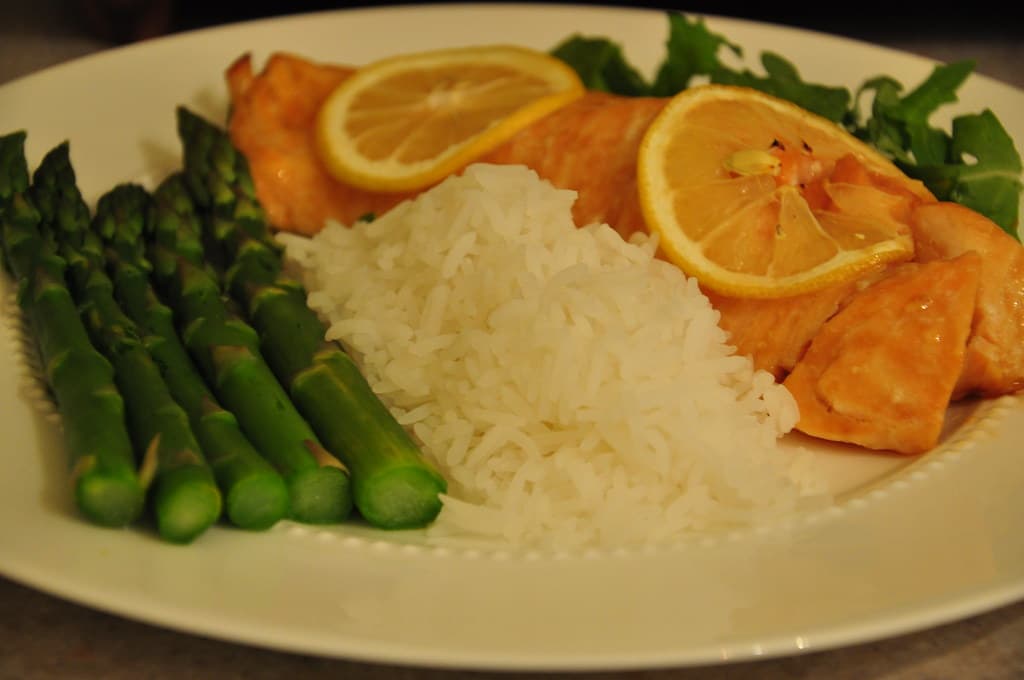
High protein meals to lose weight have one thing in common: a lean protein food at the centre of the plate, with 25 to 40 g of protein and a modest number of calories. Weight loss still comes from a calorie deficit. Protein helps you keep muscle while you eat less, and it may help a little with fullness.
Key takeaways
- Put 25 to 40 g of protein on each plate, built around one lean protein food.
- Weight loss comes from the deficit. Protein helps you keep muscle, and its effect on fullness is modest.
- Weigh the protein food, count it, then fill the rest of the plate to your calorie target.
- Oil, sauces and dressings add calories fast, so log them.
What makes a high protein meal good for weight loss?
A good high protein meal gives 25 to 40 g of protein for a modest number of calories. A review of protein in weight loss suggests 1.2 to 1.6 g of protein per kg of body weight a day, with at least about 25 to 30 g in each meal, and the ISSN gives 20 to 40 g per serving, so 25 to 40 g covers both. The same review finds higher protein diets in a calorie deficit led to more weight and fat loss and kept more lean mass, and that the short-term fullness effect is modest.
Work out your daily total first. The protein per day guide turns your weight and goal into grams, and the weight loss calorie guide sets the calories.
How to build a high protein plate in 3 steps
- Pick one protein food and weigh it. Chicken, fish, lean meat, eggs, Greek yogurt, cottage cheese, tofu or tempeh. Aim for 25 to 40 g of protein.
- Count it. Log the protein and calories of that food first, because it is usually the biggest number on the plate.
- Fill the rest to your target. Add vegetables, fruit, potatoes, rice, bread or oats until the plate fits the calories you have left. Add oil, butter and sauces last, and log them.
Cal Clark sets calorie and macro targets for the goal you pick and shows protein next to calories for every meal, so step 3 is a quick check. It is coming soon to iOS and Android: join the waitlist.
9 high protein plates with protein and calories
Each row counts the foods listed, with values from USDA FoodData Central (SR Legacy, per 100 g) multiplied by the weight. Vegetables, oil and sauces are not counted, so your plate will have a few more calories.
| Plate | Protein (g) | Calories (kcal) |
|---|---|---|
| 250 g plain nonfat Greek yogurt and 40 g dry oats | 29 | 287 |
| 200 g cottage cheese (1% fat) and 60 g whole-wheat bread | 32 | 295 |
| 120 g canned light tuna, drained, and 60 g whole-wheat bread | 38 | 290 |
| 150 g raw chicken breast and 150 g boiled lentils | 47 | 354 |
| 150 g cooked wild salmon | 38 | 273 |
| 150 g cooked lean beef patty (93% lean) | 38 | 273 |
| 200 g firm tofu | 35 | 288 |
| 120 g tempeh | 24 | 230 |
| 150 g hard-boiled egg (about 3 eggs) | 19 | 233 |
Chicken is weighed raw, and the salmon and beef are weighed cooked. Cooking removes water, so a raw weight and a cooked weight of the same food are different numbers. Log the food in the state you weighed it. Eggs give the least protein for their calories of the nine, so add a second protein food such as yogurt if you build a meal on eggs.
Sample day with about 115 g of protein
Breakfast, lunch and dinner reuse three plates from the table.
| Meal | Protein foods | Protein (g) | Calories (kcal) |
|---|---|---|---|
| Breakfast | 250 g Greek yogurt, 40 g oats | 29 | 287 |
| Lunch | 120 g tuna, 60 g bread | 38 | 290 |
| Dinner | 150 g raw chicken breast, 150 g lentils | 47 | 354 |
| Counted foods | 114 | 931 |
If your calorie target is 1,800 kcal, about 870 kcal are left for vegetables, fruit, oil, rice, a snack or a drink. Building around protein first leaves room for the rest of your food. The 1,800 figure is only an example. Find yours with the calorie calculator.
High protein meals for vegetarians
Use tofu, tempeh, eggs, Greek yogurt, cottage cheese and lentils as the centre of the plate. Tofu (200 g, 35 g protein) from the table covers the 25 to 40 g on its own, and tempeh (120 g, 24 g protein) comes close. Plant proteins are less digestible than animal ones on average, according to a review in Nutrients, so mix sources through the day.
Where this does not work
- A high protein plate does not put you in a deficit by itself. If you eat the plate and everything around it, calories can still be too high. Check your weekly average.
- Oil and sauces add calories you do not see. A tablespoon of olive oil is about 120 kcal, according to USDA FoodData Central.
- People with kidney disease may need a moderate protein intake, per the NIDDK. Ask your doctor or dietitian first.
- Pregnant or breastfeeding, under 18, over 65, on diabetes medication, or with a history of an eating disorder: talk to your doctor or dietitian before changing your food or tracking it.
Frequently asked questions
How much protein should be in each meal for weight loss?
About 25 to 40 g. The review above suggests at least 25 to 30 g a meal, and the ISSN gives 20 to 40 g per serving. Start with your daily total, then spread it over your meals.
Does a high protein diet help you lose weight?
It helps you keep muscle while you lose, and some trials found more fat loss. The deficit still does the work. Fullness effects are modest, so do not count on protein alone to stop hunger.
What are easy high protein meals under 500 calories?
Every plate in the table has under 355 kcal before sides, which leaves about 145 kcal under 500 for vegetables and a teaspoon of oil (about 40 kcal).
Can I eat high protein meals without meat?
Yes. Tofu, tempeh, eggs, Greek yogurt, cottage cheese and lentils all appear in the table above.
How many calories should I eat to lose weight?
It depends on your body and activity. Use the calorie calculator and the weight loss calorie guide, and avoid very low targets without medical supervision.
Summary
Build each meal around one lean protein food with 25 to 40 g of protein, count it first, and fill the rest of the plate to your calorie target. Start with your daily protein target and your calorie target, then use the plates above.
Read more
Sources
- Leidy HJ, et al. The role of protein in weight loss and maintenance. American Journal of Clinical Nutrition, 2015.
- Jäger R, et al. International Society of Sports Nutrition position stand: protein and exercise. 2017.
- Berrazaga I, et al. The role of the anabolic properties of plant- versus animal-based protein sources. Nutrients, 2019.
- U.S. Department of Agriculture. FoodData Central.
- NIDDK. Eating and nutrition for chronic kidney disease.
This article is general information, not medical advice. Talk to a doctor or a registered dietitian before you make big changes to your diet.
Log your meals with a photo.
Cal Clark shows calories and macros in seconds. Join the waitlist and we'll tell you when the app goes live.
3-day free trial. No ads.