High Protein Breakfast: 6 Ideas With 26 to 42 g Protein
A protein-rich breakfast has about 20 to 40 g of protein. Six breakfasts with grams of protein and calories, quick and cooked, dairy-free and egg-free.
 Greg, Cal Clark team6 min read
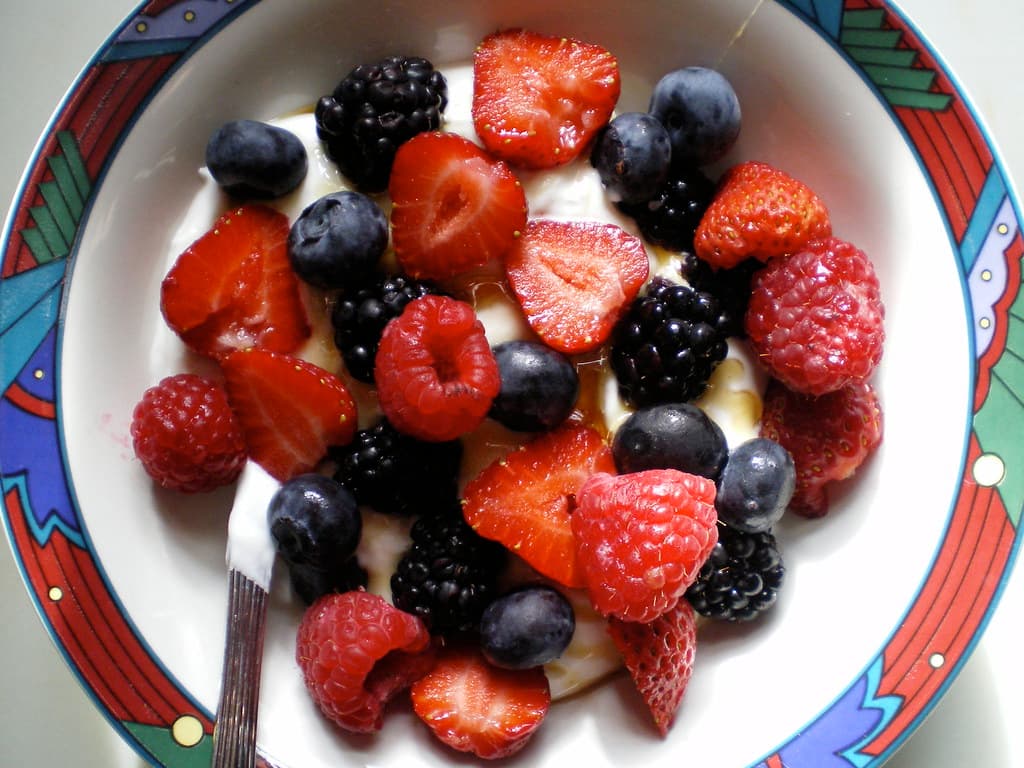
A common target for a high protein breakfast is 20 to 40 g of protein, the ISSN dose per serving for people who exercise. You get it from Greek yogurt, cottage cheese, eggs, smoked salmon or tofu, with bread or oats on the side. The six breakfasts below give 26 to 42 g of protein for 236 to 439 kcal, and three of them need no cooking. Your daily protein target is the main goal. The ISSN suggests spreading protein over meals, but nothing cited here shows that breakfast is required.
Key takeaways
- A common target is 20 to 40 g of protein per serving, the ISSN dose for people who exercise.
- Greek yogurt, cottage cheese, eggs, smoked salmon and tofu get you there without a shake.
- Oats alone give about 5 g of protein for a 40 g serving, so pair them with a protein food.
- Your daily protein target is the main goal, and breakfast is one place to eat some of it.
What counts as a high protein breakfast?
A common target for a high protein breakfast is 20 to 40 g of protein. The ISSN position stand gives 0.25 g of protein per kg of body weight, or 20 to 40 g, per serving for people who exercise, spread across the day every 3 to 4 hours. In a small crossover trial of 20 late-adolescent girls with overweight or obesity who normally skipped breakfast, a 350 kcal egg and beef breakfast with 35 g of protein left them fuller through the day than a 350 kcal cereal breakfast with 13 g did. Unlike the cereal breakfast, it also cut evening snacking on high-fat foods compared with skipping breakfast. Daily calorie intake did not differ, so one small study is no promise of weight loss.
The British Heart Foundation notes that protein at breakfast can help you reach your daily amount. You can also reach it with protein at other meals.
6 high protein breakfasts with protein and calories
Each row counts the foods listed, with USDA FoodData Central values (SR Legacy, per 100 g) multiplied by the weight. Coffee, fruit and spreads are not counted.
| Breakfast | Cooking | Protein (g) | Calories (kcal) |
|---|---|---|---|
| 250 g (about 9 oz) plain nonfat Greek yogurt and 40 g dry oats | None | 29 | 287 |
| 200 g cottage cheese (1% fat) and 60 g whole-wheat bread | None | 32 | 295 |
| 80 g smoked salmon, 100 g cottage cheese, 60 g whole-wheat bread | None | 34 | 317 |
| 100 g hard-boiled egg (2 eggs) and 150 g Greek yogurt | Boil eggs | 27 | 236 |
| 150 g hard-boiled egg (3 eggs) and 60 g whole-wheat bread | Boil eggs | 26 | 384 |
| 200 g pan-fried firm tofu and 60 g whole-wheat bread | Pan | 42 | 439 |
The tofu is counted raw and the oil for the pan is not counted, and a teaspoon adds about 40 kcal. Brands differ, so check the label on yogurt, cottage cheese and bread.
Saved meals in Cal Clark keep their numbers for next time, and protein shows next to calories for every meal. Cal Clark is coming soon to iOS and Android: join the waitlist.
Quick high protein breakfasts with no cooking
The first three rows need no cooking: Greek yogurt with oats, cottage cheese on bread and smoked salmon with cottage cheese on bread. Hard-boil a batch of eggs on Sunday and the next two rows are as fast.
High protein breakfast without eggs
Greek yogurt, cottage cheese, smoked salmon and tofu all work without eggs. Cottage cheese at 12 g of protein per 100 g and Greek yogurt at about 10 g per 100 g keep the calories low, at 54 to 72 kcal per 100 g.
Dairy-free high protein breakfast
Tofu is the dairy-free breakfast that reaches 40 g in the table, since 200 g of firm tofu gives about 35 g of protein before the bread. Soy milk adds little, because 250 g gives about 7 g of protein (unsweetened soy milk has 2.9 g per 100 g). 40 g of oats cooked in 250 g of soy milk give about 12 g, which is short of 20 g, so add tofu or a soy or pea protein powder.
Is a protein shake a good breakfast?
A shake is a quick source, but powders differ a lot, so read the label for grams of protein per scoop. Whey protein powder in FoodData Central has about 78 g of protein per 100 g, and the isolate entry about 58 g, so a 30 g scoop can give about 23 g or about 17 g.
Where this does not work
- Breakfast is one option. If you eat your protein later in the day and reach your daily target, you are covered.
- A high protein breakfast does not cancel a calorie surplus. For weight loss, the calorie target decides the result.
- Kidney disease: people with chronic kidney disease may need a moderate amount of protein, and some people on dialysis more, according to the NIDDK. Ask a doctor or dietitian.
- Allergies to egg, dairy, soy or fish, pregnancy, breastfeeding, under 18, over 65 and a history of eating disorders: talk to a doctor or registered dietitian before changing your food or tracking it.
Frequently asked questions
How much protein should I eat for breakfast?
About 20 to 40 g if you want a high protein breakfast. The ISSN gives 0.25 g per kg of body weight, or 20 to 40 g, per serving for people who exercise, so an 80 kg person gets 20 g from the per-kg figure.
What is a good high protein breakfast without eggs?
Greek yogurt with oats, cottage cheese on bread, or smoked salmon with cottage cheese. Each gives 29 to 34 g of protein in the table above. Pan-fried tofu with bread gives 42 g.
Can I get 30 g of protein at breakfast without dairy?
Yes, with tofu. 200 g of firm tofu gives about 35 g. Soy milk and oats alone fall short at about 12 g.
Does a high protein breakfast help you feel full?
In one small trial of late-adolescent girls who normally skipped breakfast, it did.
Is a high protein breakfast necessary?
No cited study shows that breakfast is required. Start with your daily target from the protein per day guide and spread it over your meals.
Bottom line
Yogurt, cottage cheese, eggs, smoked salmon or tofu, plus bread or oats, get you to 20 to 40 g. Fit it into your daily protein target.
Read more
- How much protein per day
- How many calories to eat to gain muscle
- How many calories to eat to lose weight
Sources
- Jäger R, et al. International Society of Sports Nutrition position stand: protein and exercise. 2017.
- Leidy HJ, et al. Beneficial effects of a higher-protein breakfast on the appetitive, hormonal, and neural signals controlling energy intake regulation in overweight/obese, "breakfast-skipping," late-adolescent girls. American Journal of Clinical Nutrition, 2013.
- U.S. Department of Agriculture. FoodData Central.
- British Heart Foundation. High protein breakfast ideas.
- NIDDK. Eating and nutrition for chronic kidney disease.
This article is general information, not medical advice. Talk to a doctor or a registered dietitian before you make big changes to your diet.
Log your meals with a photo.
Cal Clark shows calories and macros in seconds. Join the waitlist and we'll tell you when the app goes live.
3-day free trial. No ads.