How to Calculate Macros for Weight Loss, Step by Step
How to calculate macros for weight loss: set protein first, then a fat floor, and let carbs fill the rest. A worked 2,000 kcal example with grams.
 Greg, Cal Clark team6 min read
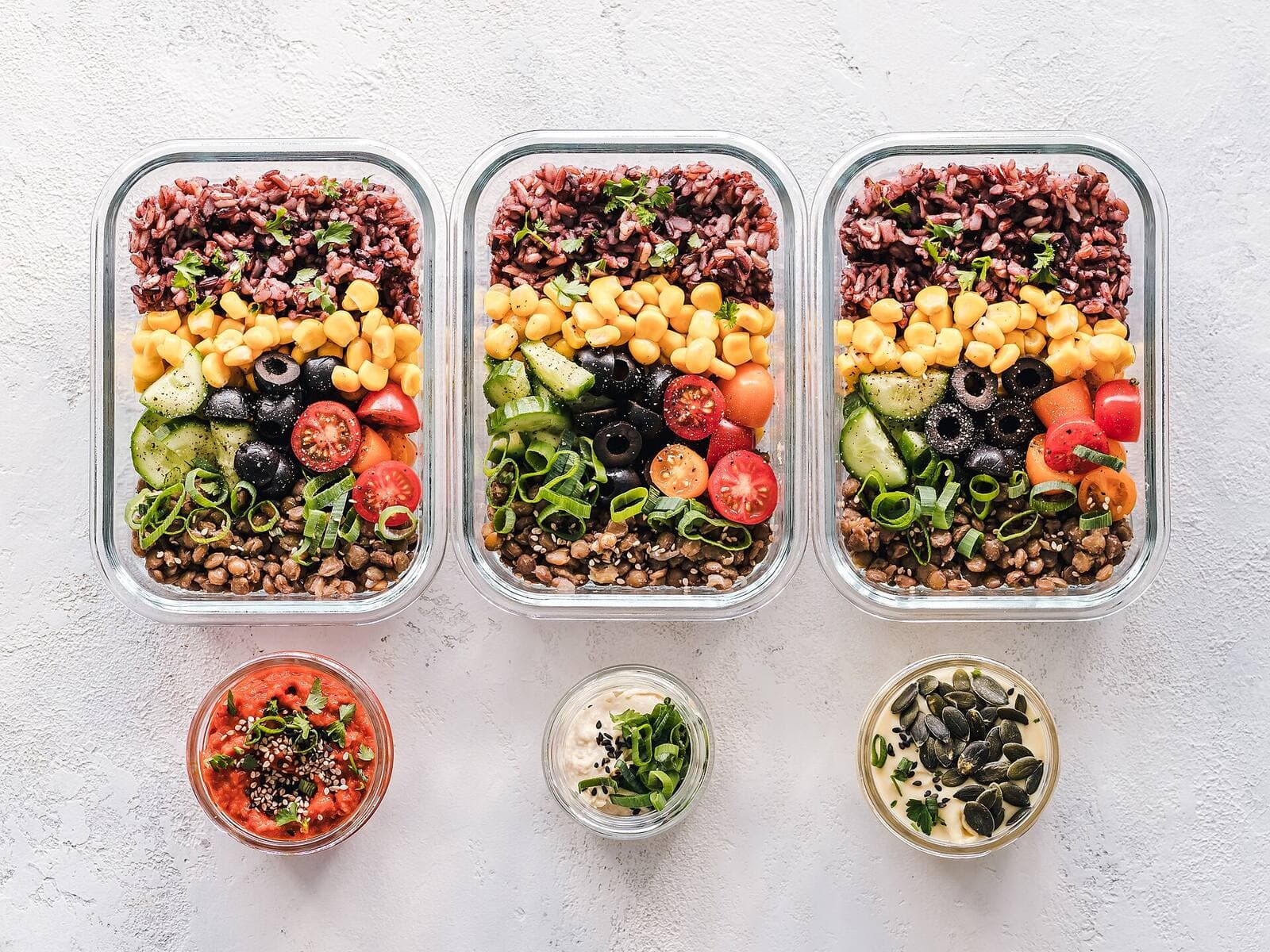
To calculate macros for weight loss, set your calorie target first, then give protein its grams, give fat a floor, and let carbohydrate fill the calories that are left. For a 70 kg (about 154 lb) adult eating 2,000 kcal that comes to roughly 112 g of protein, 56 g of fat and 262 g of carbohydrate.
Key takeaways
- Macros are protein, carbohydrate and fat. Your calorie target decides how many calories they share.
- Set protein from body weight, fat as a share of calories, and carbohydrate as what remains.
- Protein and carbohydrate have 4 kcal per gram, fat has 9 kcal per gram.
- Treat the first numbers as a starting point and adjust after two weeks of real records.
How do you calculate macros for weight loss?
You work in five steps: pick a calorie target, set protein in grams, set fat as a share of calories, and give the remaining calories to carbohydrate. Calories come first because they decide whether you lose weight. Protein at the right level helps you keep muscle while you eat less.
Step 1: Start from your calorie target
Weight loss needs a calorie target below what you burn. Our guide to how many calories to eat to lose weight shows how to get that number, and the calorie calculator does the sums for you. The guide on what a calorie deficit is explains why a moderate cut usually works better than a deep one. The rest of this page uses 2,000 kcal as the target.
Step 2: Convert grams to calories
The NIDDK dictionary gives the standard values: carbohydrate and protein have 4 kcal per gram, and fat has 9 kcal per gram. Alcohol has 7 kcal per gram, which is why drinks eat into your target. These are averages, so food labels and apps give estimates.
| Macro | kcal per gram |
|---|---|
| Protein | 4 |
| Carbohydrate | 4 |
| Fat | 9 |
Step 3: Set protein from your body weight
Protein comes first because it is the macro that helps you keep muscle while you eat less. The ISSN position stand on protein says that 1.4 to 2.0 g per kg of body weight a day is enough for most people who exercise. If you do not exercise, the same range is a reasonable ceiling to start from. The ISSN position stand on diets and body composition reports that protein at about twice the standard recommendation (1.6 g per kg against 0.8 g per kg) repeatedly did better at preserving lean mass in the studies it cites. Higher intakes of 2.3 to 3.1 g per kg are discussed for lean, resistance-trained people in a deficit, so treat that as an upper bound. Our page on how much protein you need per day has the full table by body weight and goal.
For a 70 kg adult at 1.6 g per kg: 70 x 1.6 = 112 g of protein, which is 112 x 4 = 448 kcal.
Step 4: Set a fat floor
Fat carries essential fatty acids and helps you absorb some vitamins, so it should not drop to zero. The Acceptable Macronutrient Distribution Ranges for adults are 20 to 35% of calories from fat and 45 to 65% from carbohydrate. A fat share near the lower-middle of that range, such as 25% of calories, is a sensible start.
For 2,000 kcal at 25%: 2,000 x 0.25 = 500 kcal, so about 56 g of fat (56 x 9 = 504 kcal).
Step 5: Let carbohydrate fill the rest
Carbohydrate is what remains after protein and fat. Subtract their calories from your target, then divide by 4.
| Step | Calculation | Result |
|---|---|---|
| Calories left for carbohydrate | 2,000 - 448 - 504 | 1,048 kcal |
| Grams of carbohydrate | 1,048 / 4 | 262 g |
The finished example
This example is calculated, not a real person's diet.
| Macro | Grams | Calories | Share of 2,000 kcal |
|---|---|---|---|
| Protein | 112 g | 448 | 22.4% |
| Fat | 56 g | 504 | 25.2% |
| Carbohydrate | 262 g | 1,048 | 52.4% |
| Total | 2,000 | 100% |
All three shares sit inside the Institute of Medicine ranges: 10 to 35% protein, 20 to 35% fat and 45 to 65% carbohydrate. Other splits work too. Pick the one you can follow for months.
How do you adjust your macros after two weeks?
A formula gives an average for people of your size, so check it against real life. Log what you eat and weigh yourself each morning for two weeks. If your weight falls at a steady pace, keep the numbers. If it does not move, lower calories a little and recalculate the grams with the same steps. If you feel hungry all the time, nudge protein or fibre-rich carbohydrate up and keep the calorie total the same. Our guide to a weight loss plateau covers what to do when the scale stops.
Cal Clark sets calorie and macro targets for the goal you pick: lose weight, gain mass, fuel training or stay healthy. It is coming soon to iOS and Android: join the waitlist.
Where this does not work
- These numbers are for healthy adults. They do not fit pregnancy, breastfeeding or under-18s.
- If you have diabetes, kidney disease, a thyroid condition or take medication that affects weight, ask your doctor or a registered dietitian before you change protein or calories.
- If you have had an eating disorder, do not set calorie or macro targets alone.
- Very low calorie diets belong in a medical setting.
- Food labels and apps give estimates, so small gaps are normal.
Frequently asked questions
How many macros should I eat to lose weight?
There is no single split. Start with protein at 1.4 to 2.0 g per kg of body weight, fat at about 20 to 35% of calories, and carbohydrate for the rest. Then adjust from two weeks of real weight records.
How much protein, carbs and fat per day to lose weight?
For a 70 kg adult eating 2,000 kcal, the example above gives about 112 g of protein, 56 g of fat and 262 g of carbohydrate. Your numbers change with your weight and your calorie target.
Do I need to count macros to lose weight?
No. Calories decide weight loss. Counting protein is the part most worth doing, because it protects muscle in a deficit. Fat and carbohydrate can follow your appetite once calories are right.
How do I calculate macros without a calculator?
Multiply your body weight in kg by 1.6 for protein grams. Take a quarter of your calories and divide by 9 for fat grams. Subtract the calories of both from your target and divide the rest by 4 for carbohydrate grams.
What is the best macro ratio for fat loss?
The research above supports setting protein first. It gives no single best percentage split. The ratio follows from the protein and fat you set.
Summary
Choose a calorie target, set protein at 1.4 to 2.0 g per kg, give fat about a quarter of calories, and let carbohydrate take the rest. Check the numbers against two weeks of real records and adjust in small steps.
Related
- How many calories should I eat to lose weight?
- How much protein do you need per day?
- What is a calorie deficit, and how big should yours be?
Sources
- NIDDK. Dictionary: calorie.
- Jäger R, Kerksick CM, et al. International Society of Sports Nutrition position stand: protein and exercise. J Int Soc Sports Nutr, 2017.
- Aragon AA, Schoenfeld BJ, et al. International Society of Sports Nutrition position stand: diets and body composition. J Int Soc Sports Nutr, 2017.
- National Academies. Acceptable Macronutrient Distribution Ranges. 2024.
- Institute of Medicine. Dietary Reference Intakes for Energy, Carbohydrate, Fiber, Fat, Fatty Acids, Cholesterol, Protein, and Amino Acids. 2005.
This article is general information, not medical advice. Talk to a doctor or a registered dietitian before you make big changes to your diet.
Log your meals with a photo.
Cal Clark shows calories and macros in seconds. Join the waitlist and we'll tell you when the app goes live.
3-day free trial. No ads.